PSLE Chinese Model Composition: High-Scoring Writing Techniques for Students
Scoring well in the PSLE Chinese composition requires more than memorising vocabulary and grammar rules. Students need to understand structure, express ideas clearly, and connect sentences smoothly. Model compositions provide practical examples of high-scoring essays, helping students develop essential writing skills.
At Best Chinese Tuition Singapore, tutors focus on combining model composition practice with guided exercises, helping students build confidence, creativity, and accuracy in their writing.
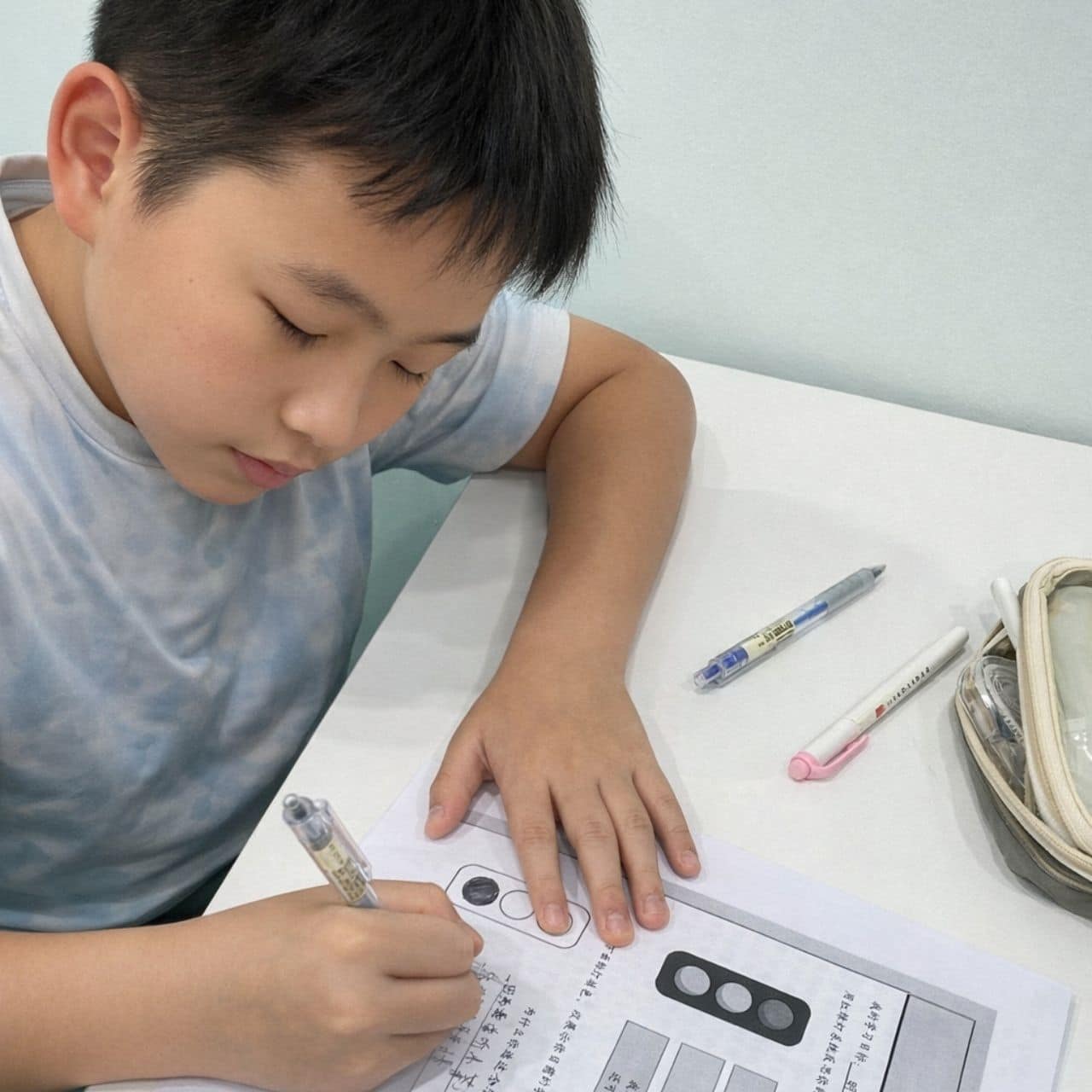
Why Model Compositions Are Crucial for PSLE Success
Model compositions serve as practical references for students, demonstrating what exam markers expect in terms of structure, vocabulary, and expression. Learning from examples allows students to:
1)Understand how to begin and end compositions effectively.
2)Recognise logical sequencing of ideas in paragraphs.
3)Identify expressive words, idioms, and sentence structures that improve scores.
By studying model compositions, students develop a clear mental template for their essays, which reduces anxiety and increases confidence during the exam.
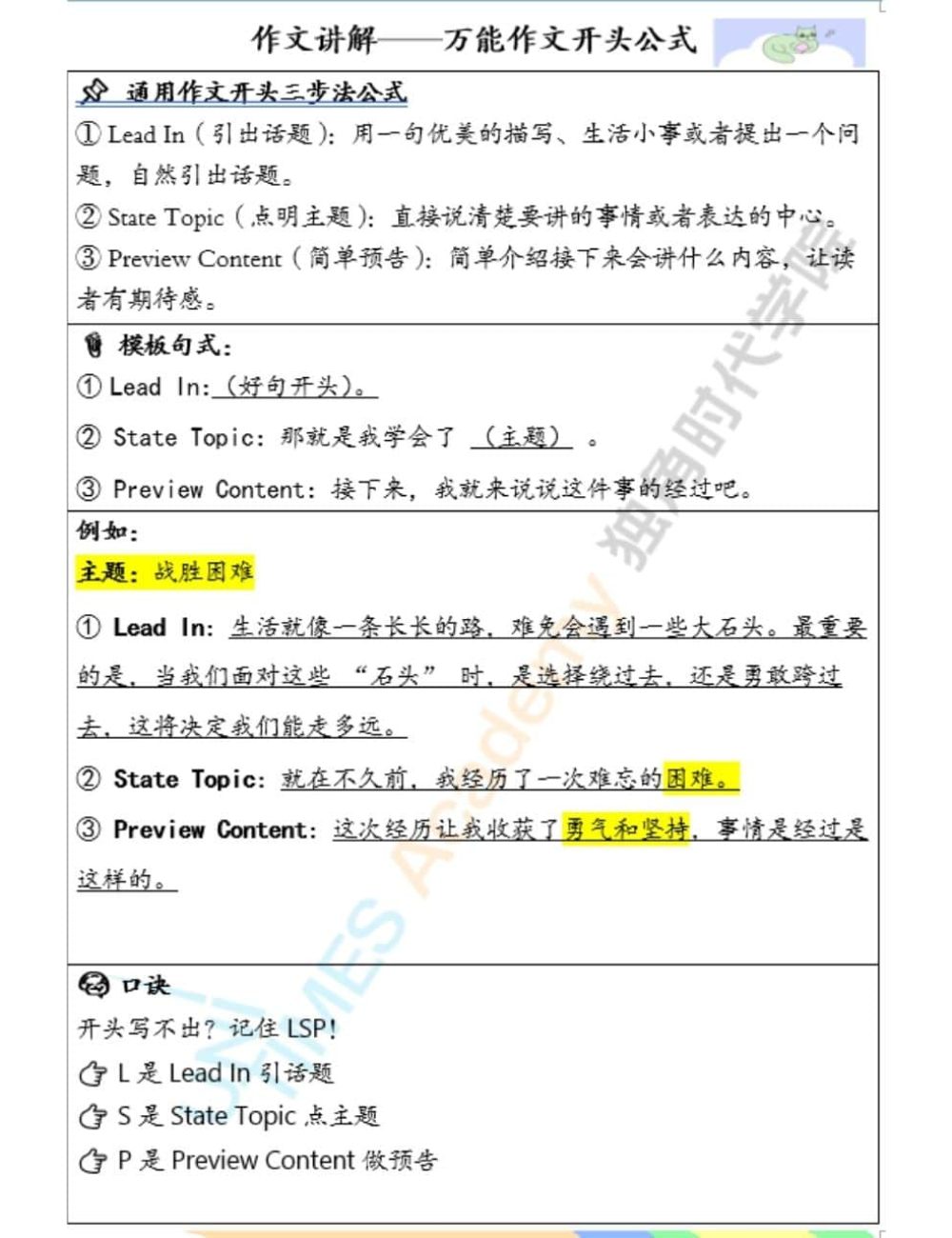
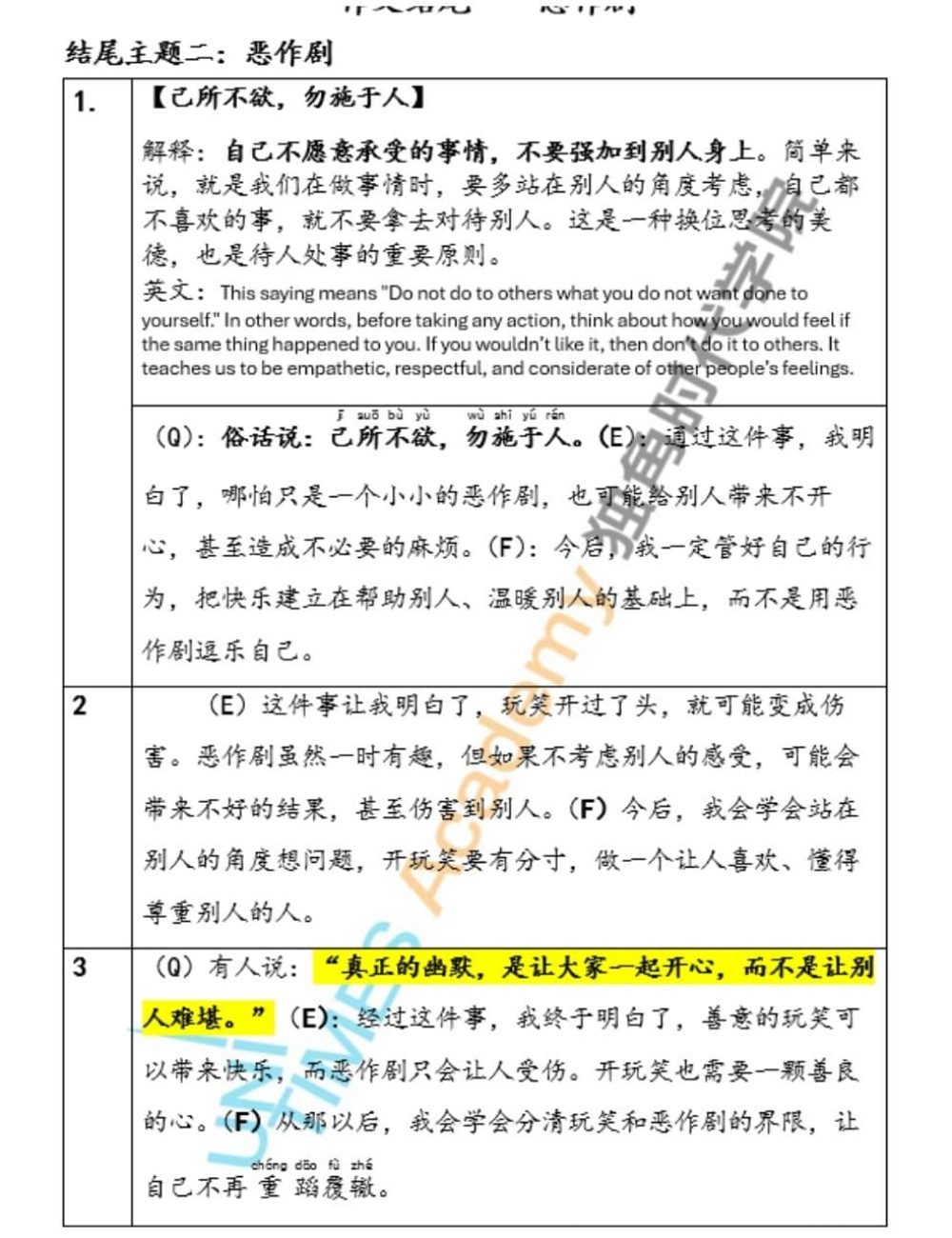
High-Scoring Composition Techniques
To achieve top marks, students should focus on a combination of structure, creativity, and language. Here are essential techniques:
1. Crafting a Strong Introduction and Conclusion
The introduction sets the tone for the essay, while the conclusion leaves a lasting impression. A good introduction should grab attention, introduce the main topic, and hint at the essay’s flow. The conclusion should summarise the story or reflect a lesson learned.
- Use descriptive phrases to set the scene.
- Include personal insights or reflections in the ending.
- Avoid abrupt starts or vague conclusions.

2. Maintaining Logical Flow and Paragraph Cohesion
Ideas should move naturally from one paragraph to the next. Clear sequencing ensures the essay reads smoothly and makes sense to exam markers.
- Use connectors such as “过了一会儿/到了礼堂/之后” to show progression.
- Apply cause-and-effect phrases for reasoning.
- Break long paragraphs into smaller, focused sections for clarity.
Students who master cohesion show examiners they can organise their thoughts, which is a key marker of high-scoring compositions.
3. Using Expressive Vocabulary and Idioms
Incorporating rich vocabulary and idiomatic expressions elevates writing quality. A well-chosen idiom or descriptive word can transform a simple essay into an engaging, high-scoring piece.
- Learn vocabulary in context rather than rote memorisation.
- Include idioms or common phrases relevant to the essay theme.
- Use adjectives and verbs to add emotion and depth.
This technique demonstrates language maturity and helps students stand out in exams.
4. Integrating Creativity and Personal Reflection
Creative storytelling and personal reflection engage readers and make essays memorable. PSLE markers appreciate essays that feel genuine, with relatable ideas and thoughtful insights.
- Encourage students to write from personal experiences.
- Include dialogue or internal thoughts for character depth.
- Reflect on the moral or lesson of the story.
Creativity ensures essays are unique, making them more likely to earn top marks.
How Best Chinese Tuition Singapore Supports Students
Best Chinese Tuition Singapore provides structured guidance to ensure students develop both confidence and technical skills in writing. Tutors focus on:
1) Analysing model compositions to explain high-scoring strategies.
2) Guiding students through regular writing practice under exam conditions.
3) Offering personalised feedback to correct mistakes and enhance expression.
4) Providing resources like vocabulary lists, writing templates, and model essay examples.
By combining these methods, students gain a comprehensive understanding of composition writing and are well-prepared for the PSLE exam.
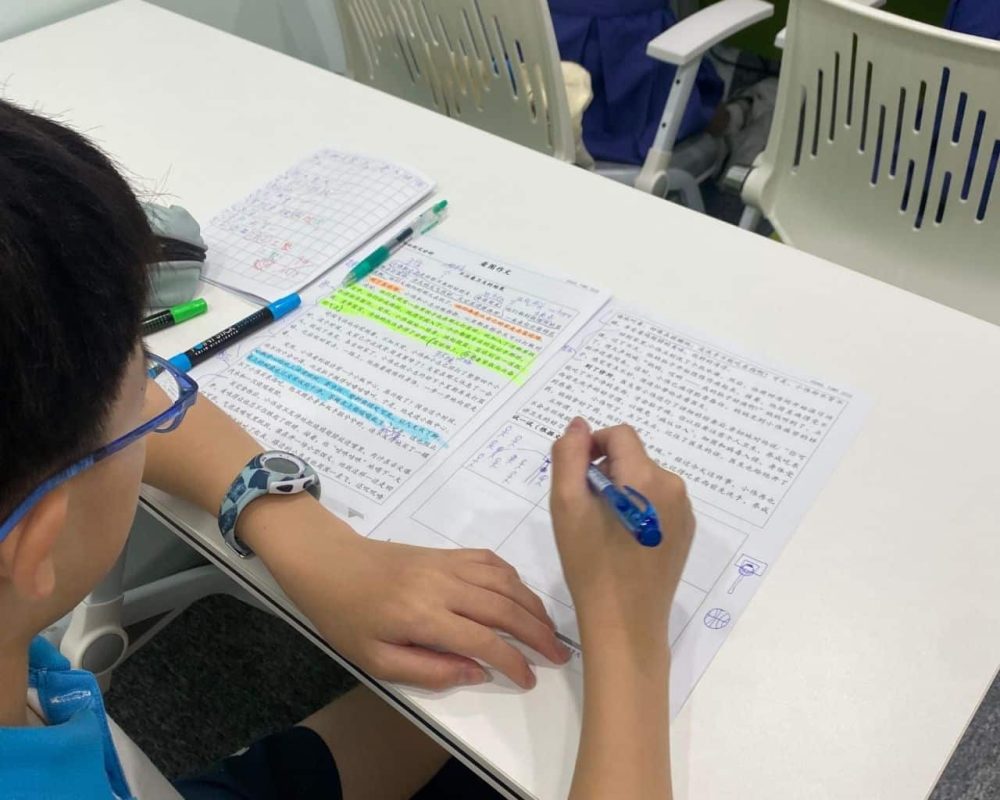
Practical Tips for Parents and Students
Parents can play a supporting role in helping their children develop composition skills:
1) Encourage daily reading and discuss sentence structures or vocabulary.
2) Set aside time for short writing exercises or journal entries.
3) Review model compositions together to highlight strengths and areas for improvement.
4) Keep a vocabulary notebook for new words and idioms.
Consistent practice at home complements tuition sessions and reinforces learning effectively.
Final Takeaway
High-scoring PSLE Chinese compositions combine structure, vocabulary, creativity, and clarity. With support from Best Chinese Tuition Singapore, students gain practical experience with model compositions, personalised guidance, and expert feedback. These strategies help them build confidence, apply grammar correctly, and produce essays that meet the expectations of exam markers.
By practising regularly and using effective techniques, students are better prepared to excel in PSLE Chinese composition. Ready to help your child achieve top scores? Contact Unitimes Academy today to enrol in expert tuition programs and unlock their full potential in Chinese writing.
Frequently Asked Questions
How do model compositions help improve PSLE scores?
Model compositions provide examples of high-scoring essays, showing students how to structure paragraphs, use connectors, and apply idioms effectively.
How often should students practise PSLE compositions?
Daily or at least 3-4 times per week is recommended. Regular practice helps students internalise structure, vocabulary, and sentence flow.
Can tuition really improve my child’s writing confidence?
Yes. Structured tuition provides guidance, instant feedback, and personalised strategies, which help students overcome weaknesses and write confidently in exams.
 Ms Liu