How to Master Secondary Chinese Comprehension for Top Grades
Secondary Chinese comprehension is a critical component of examinations. Many students understand Chinese grammar and vocabulary, but still struggle to score top marks in comprehension. Misinterpreting questions, missing key points, or failing to organise answers clearly can result in lost marks. For parents and students seeking structured guidance, secondary Chinese tuition in Singapore can provide personalised strategies and focused practice to help students excel.
This guide highlights practical tips and techniques for mastering Secondary Chinese comprehension, ensuring students gain confidence, improve accuracy, and achieve top grades.
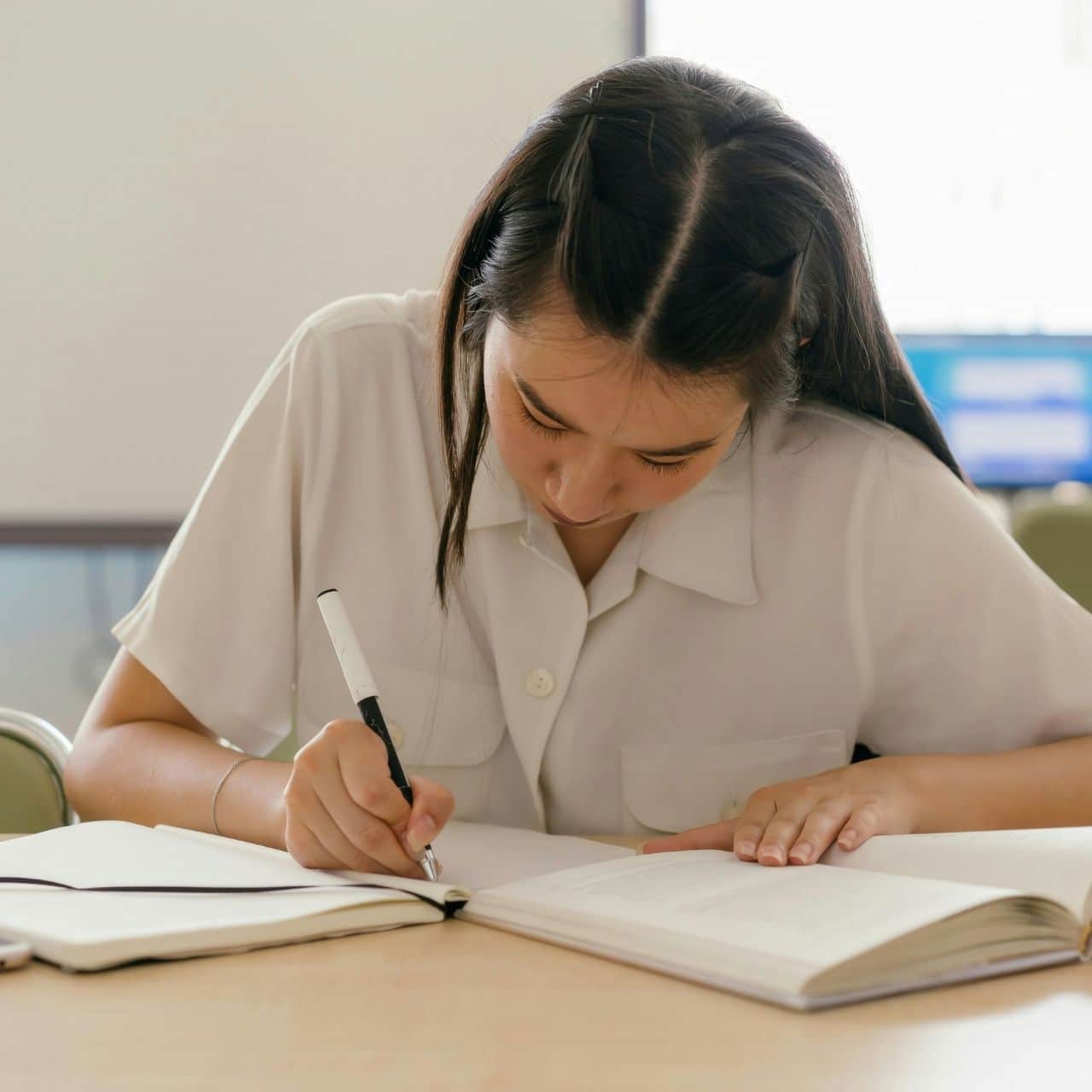
Understand the Importance of Comprehension Skills
Comprehension is more than just reading a passage, it assesses a student’s ability to:
- Understand the main idea and supporting details
- Interpret implicit meanings and the author’s intent
- Analyse arguments and evaluate information
- Write structured answers with accurate vocabulary
Students who perform well in comprehension can also improve their writing and language skills. Strengthening these abilities requires a combination of reading practice, structured strategies, and regular feedback, all of which are offered in secondary Chinese tuition in Singapore.
Identify Your Child’s Weak Areas
Before attempting to improve, it is crucial to understand where your child struggles. Common challenges in Secondary Chinese comprehension include:
- Misunderstanding nuanced vocabulary or idioms
- Overlooking keywords in the question
- Writing incomplete or unstructured answers
- Difficulty connecting ideas from multiple paragraphs
Effective tuition begins with a diagnostic assessment, helping tutors focus on the student’s specific weaknesses and develop a customised learning plan.
Read the Passage Carefully
Rushing through passages is one of the biggest causes of low comprehension scores. Students need to develop the habit of reading carefully and actively engaging with the text.
Tips to improve reading accuracy:
- Read the passage twice: the first time for understanding, the second for details
- Highlight or underline key phrases, names, or events
- Summarise each paragraph in your own words to ensure understanding
- Pay attention to transitional words such as “因此”, “然而”, or “另外”
By training students to read attentively, secondary Chinese tuition in Singapore helps reduce misinterpretation and strengthens exam performance.
Analyse the Questions Before Answering
Many students start writing answers immediately without analysing the question. This often leads to partial answers or irrelevant content.
Strategies for effective question analysis include:
- Identifying the type of question: fact-based, opinion-based, or inferential
- Underlining key words such as “解释”, “列举”, “比较”, or “说明”
- Planning the answer before writing, even with a short outline
By spending a few extra minutes analysing the question, students can provide complete and accurate answers, maximising marks.
Build Strong Vocabulary and Idiom Knowledge
Vocabulary and idioms are critical for expressing ideas clearly in comprehension answers. Students often lose marks for using inaccurate words or failing to demonstrate understanding of idiomatic expressions.
Ways to strengthen vocabulary:
- Maintain a vocabulary notebook to record new words and phrases
- Practice using idioms in sentences or short paragraphs
- Revise commonly tested vocabulary regularly
With consistent practice and guidance from secondary Chinese tuition in Singapore, students can expand their language skills and write more precise, higher-quality answers.
Structure Answers Clearly
Even when students understand the passage, poor structure can cost marks. Answers should be concise, organised, and relevant.
Tips for structured answers:
- Start with a clear topic sentence summarising the point
- Provide supporting details with examples from the passage
- Use linking words such as “首先”, “其次”, “最后” to connect ideas
- End with a concluding sentence when required
Structured answers not only impress examiners but also ensure that all marks are captured effectively.
Practice with Past Year Papers
Regular practice with past year papers familiarises students with the types of questions asked in exams and helps them manage time effectively.
Recommended practice routines include:
- Timing each question to simulate exam conditions
- Reviewing incorrect answers carefully and understanding why mistakes were made
- Gradually reducing guidance to build independent problem-solving skills
Experienced tutors at Secondary Chinese Tuition Singapore guide students through past papers, highlighting common pitfalls and teaching efficient answering strategies.
Develop Critical Thinking Skills
Top-scoring comprehension answers often show a deeper level of thinking. Students should learn to interpret the author’s intent, compare perspectives, and provide thoughtful evaluations.
Ways to strengthen critical thinking:
- Ask “why” and “how” questions while reading passages
- Compare multiple viewpoints in the text before forming an opinion
- Justify answers with evidence or examples from the passage
With critical thinking, students move beyond basic recall and can produce nuanced, high-quality responses in exams.
Review and Learn from Mistakes
Consistent review is key to continuous improvement. Students should track recurring mistakes and focus on addressing them in subsequent practice sessions.
Review strategies:
- Identify patterns in errors: comprehension, vocabulary, or structure
- Reattempt similar questions until confident
- Keep a record of common mistakes and revisit them regularly
Through structured review, mistakes become learning opportunities rather than repeated issues.
Final Thoughts
Mastering Secondary Chinese comprehension requires a combination of careful reading, strong vocabulary, structured answering, and consistent practice. By identifying weak areas, analysing questions effectively, and learning from mistakes, students can significantly improve accuracy and confidence in exams.
For parents seeking professional support, Secondary Chinese Tuition Singapore offers personalised guidance, structured practice, and targeted feedback. With expert tutoring, students gain the skills and strategies necessary to excel in comprehension and achieve top grades.
Boost your child’s comprehension skills and exam performance in Secondary Chinese. Sign up for a free trial lesson at Unitimes Academy and discover structured, results-driven guidance.
Frequently Asked Questions
How does tuition help improve Secondary Chinese comprehension?
Tuition provides personalised strategies, guided practice, vocabulary expansion, and structured feedback, helping students understand passages better and answer questions accurately.
What daily habits can help improve comprehension skills?
Daily reading of Chinese texts, practising summarisation, using new vocabulary, and attempting short comprehension exercises help students build confidence and fluency.
How do I know if my child needs tuition for Secondary Chinese?
If your child struggles with understanding passages, writing structured answers, or scoring consistently in comprehension exercises, professional tuition can provide targeted support and improve results.
 Ms Liu