Last-Minute Secondary Chinese Revision Tips That Work
Preparing for Secondary Chinese exams can be challenging, especially when students are running out of time. As the exam approaches, many students feel overwhelmed by the amount of content they need to revise, from comprehension and composition writing to vocabulary and grammar. Without a clear revision plan, last-minute preparation often becomes stressful and unproductive.
However, effective revision is not about studying everything at once – it is about focusing on the right strategies that deliver results quickly. With proper planning and guidance, students can still make significant improvements in a short period of time. This is where reliable Secondary Chinese tuition in Singapore plays an important role. Structured lessons, targeted practice, and expert feedback help students identify their weak areas and improve them efficiently.
Instead of relying on guesswork, students who follow a guided approach are better able to manage their time, strengthen key skills, and approach exams with confidence. In this blog, we will explore practical last-minute revision tips that help students maximise their performance and achieve better results in Secondary Chinese exams.
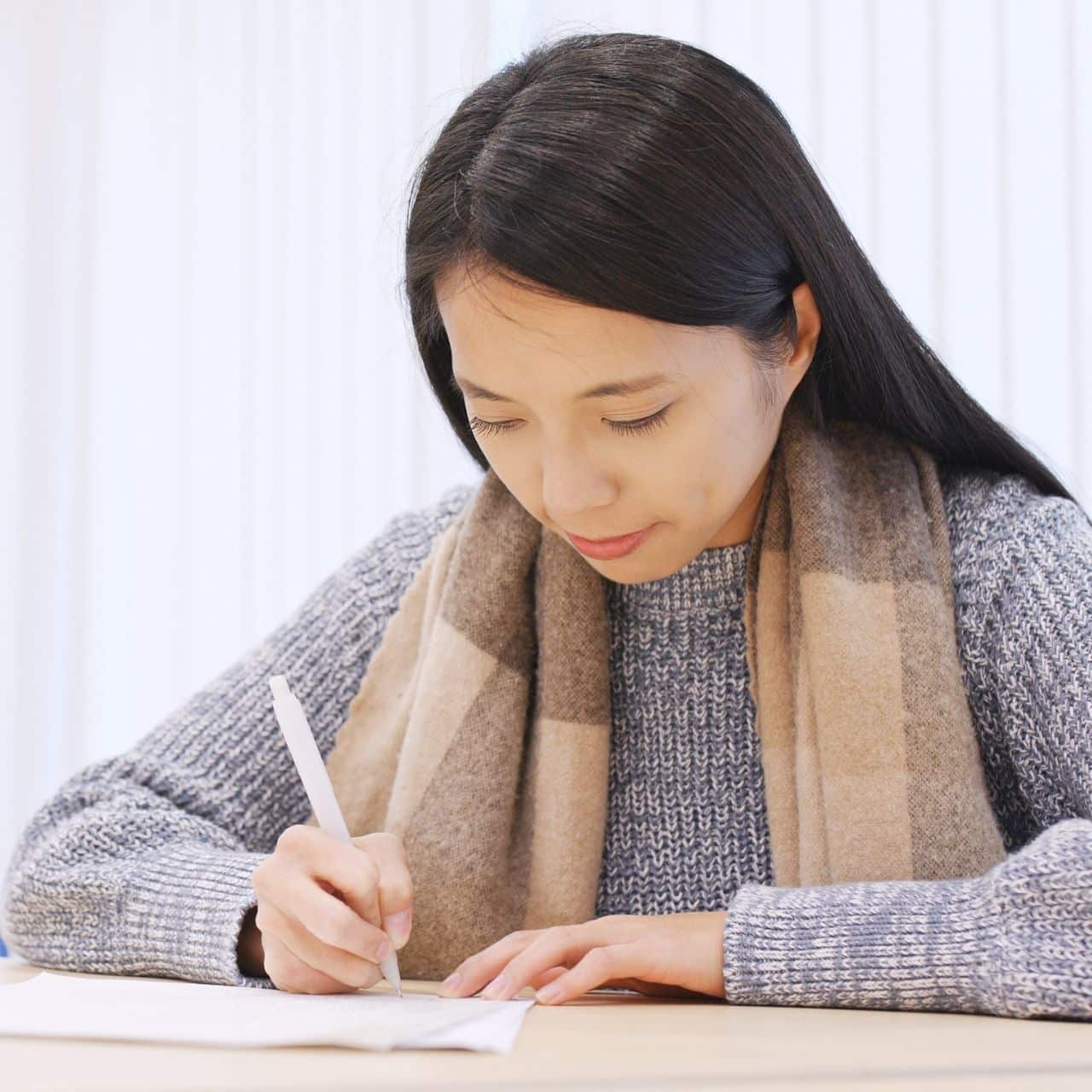
Why Last-Minute Revision Still Matters
Even if preparation started late, the final phase before exams is crucial. This period allows students to consolidate what they have learned and refine their exam techniques.
Effective last-minute revision helps students:
- Reinforce key concepts and vocabulary
- Improve accuracy in answering questions
- Identify and correct common mistakes
- Build confidence before the exam
With guidance from structured and reliable Secondary Chinese tuition in Singapore, students can focus on the most important areas instead of wasting time on ineffective study methods.
Focus on High-Impact Topics First
When time is limited, students should prioritise topics that carry the most weight in exams. Instead of trying to cover everything, focus on areas that can bring the highest improvement.
Key focus areas include:
- Comprehension skills
- Composition writing techniques
- Vocabulary and sentence construction
- Grammar accuracy
To strengthen grammar fundamentals, students can also refer to A Guide to Building Strong Foundations in Secondary Chinese Grammar, which explains key concepts essential for exam success.
Master Comprehension Techniques Quickly
Comprehension is one of the most challenging components for many students. It requires not only understanding the passage but also answering questions accurately.
To improve quickly, students should:
- Practise identifying key information in passages
- Understand different question types
- Use proper sentence structures when answering
- Avoid copying blindly from the text
For deeper strategies, explore How to Master Secondary Chinese Comprehension for Top Grades, which provides practical methods to improve comprehension performance.
With support from expert-led and reliable Secondary Chinese tuition in Singapore, students can learn structured answering techniques that significantly boost accuracy.
Strengthen Composition Writing in Less Time
Composition writing often determines a large portion of the overall score. Even in a short time, students can improve by focusing on structure and clarity.
Effective strategies include:
- Planning the essay before writing
- Using a clear and logical structure
- Adding descriptive vocabulary where possible
- Avoiding repetitive and simple sentences
Students who follow structured guidance from reliable Secondary Chinese tuition in Singapore can quickly refine their writing and produce better compositions.
Revise According to the MOE Syllabus
Understanding the exam requirements is essential for effective revision. Many students waste time studying topics that are less relevant to the exam.
Instead, focus on:
- Key components outlined in the syllabus
- Common question formats
- Marking criteria for each section
For better clarity, refer to MOE Secondary Chinese Syllabus Explained: What Parents Must Know, which breaks down what students need to focus on.
Tuition programmes aligned with MOE standards, such as MOE-aligned Secondary Chinese tuition in Singapore, ensure that students are being prepared in the most effective way.
Practice with Exam Papers Under Time Conditions
Practising past papers is one of the most effective ways to prepare for exams. It helps students understand the exam format and improve time management.
Students should:
- Attempt papers under timed conditions
- Review mistakes carefully
- Identify weak areas and improve them
- Practise regularly to build confidence
With guidance from result-driven Secondary Chinese tuition in Singapore, students can analyse their performance and make targeted improvements.
Build Vocabulary Strategically
Vocabulary plays a key role in both comprehension and writing. Instead of memorising long lists of words, students should focus on learning words that are commonly used in exams.
To improve vocabulary:
- Learn words in context
- Practise using new words in sentences
- Revise commonly tested phrases
- Apply vocabulary in writing
Consistent practice through effective and reliable Secondary Chinese tuition in Singapore helps students build a strong vocabulary base.
Stay Consistent and Avoid Overloading
During last-minute revision, many students try to study too much in a short time, which leads to burnout. Instead, it is important to maintain a balanced approach.
Students should:
- Create a simple revision schedule
- Focus on one topic at a time
- Take short breaks to stay fresh
- Revise consistently instead of cramming
For a complete understanding of how structured learning supports exam success, refer to How Secondary Chinese Tuition Helps Students Meet MOE Requirements and Secondary Chinese Tuition: Strengthen Reading, Writing, and Comprehension Skills.
The Role of Expert Guidance in Final Revision
While self-study is important, expert guidance can make a significant difference during the final stages of preparation. Teachers can identify mistakes quickly and provide effective strategies to improve.
Through professional and reliable Secondary Chinese tuition in Singapore, students benefit from:
- Personalised feedback
- Targeted revision strategies
- Clear explanations of difficult concepts
- Confidence-building support
This ensures that students make the most of their remaining time before exams.
Final Thoughts
Last-minute revision does not have to be stressful or ineffective. With the right strategies, focused practice, and support from reliable Secondary Chinese tuition in Singapore, students can still improve their performance and approach exams with confidence.
At Unitimes Academy, students benefit from structured lessons, expert guidance, and proven exam strategies tailored to their learning needs. Our supportive environment helps students strengthen their skills in comprehension, writing, and overall language use.
If you want your child to make the most of their final preparation time, now is the right moment to take action. Sign up for a free trial class at Unitimes Academy and experience how targeted guidance can help your child improve faster and achieve better results in Secondary Chinese.
Frequently Asked Questions
1. Can last-minute revision really improve Secondary Chinese results?
Yes, last-minute revision can still be effective if students focus on key topics and practise strategically. By prioritising comprehension, writing, and vocabulary, students can strengthen their performance. With proper guidance and consistent effort, noticeable improvements can be achieved even within a short period.
2. What should secondary Chinese students focus on during last-minute revision?
Students should focus on high-impact areas such as comprehension, composition writing, vocabulary, and grammar. These components contribute significantly to overall scores. Practising exam papers and reviewing mistakes also helps improve accuracy and confidence before the exam.
3. How can Secondary Chinese tuition help during the final revision stage?
Tuition provides structured guidance and targeted support during the final revision stage. Teachers help students identify weak areas, correct mistakes, and improve answering techniques. This focused approach ensures that students use their time effectively and perform better in exams.
4. How many hours should students study before exams?
Students should aim for consistent study sessions rather than long hours of cramming. Short, focused sessions with breaks are more effective. A balanced schedule helps maintain concentration and ensures better retention of information during the revision period.
5. How quickly can students see improvement?
Improvement depends on the student’s effort and consistency. With focused revision and proper guidance, students can see noticeable progress within a few weeks. Regular practice and targeted strategies help build confidence and improve overall exam performance.
 Ms Liu